
Should You Split Your Weekly Testosterone Dose?

Timeline
Video Summary
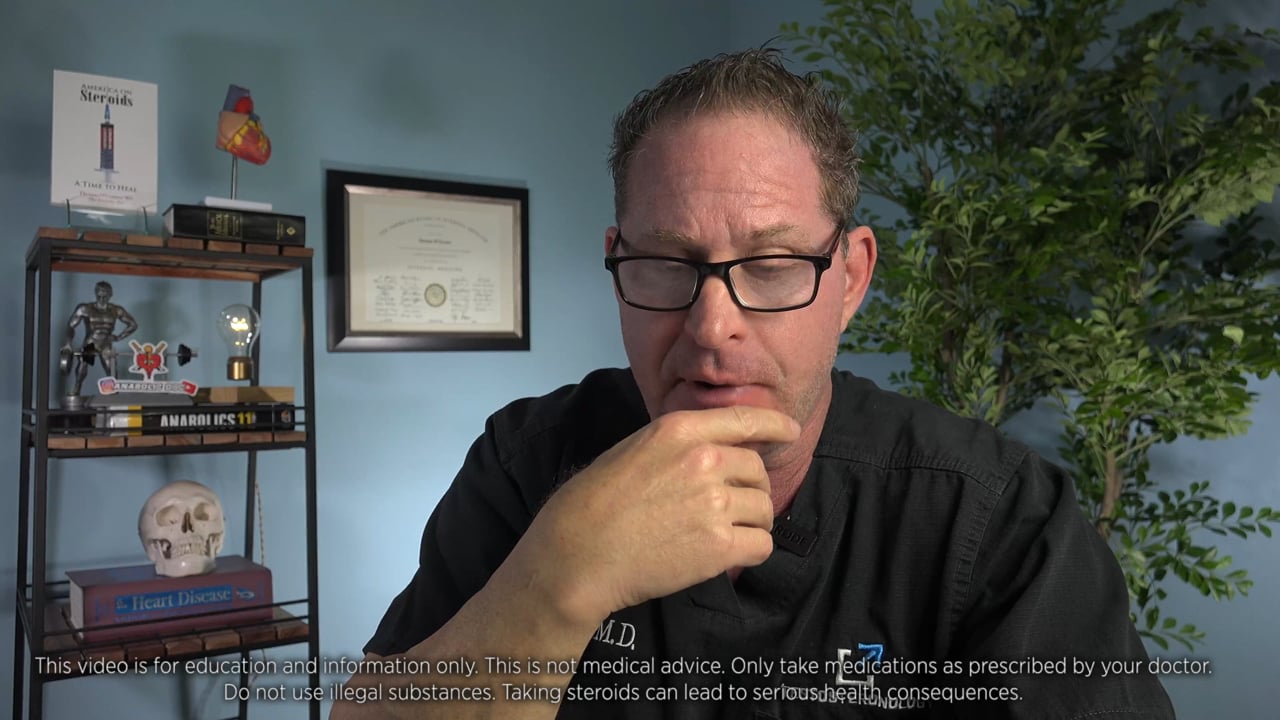
Splitting a weekly testosterone dose may help some men manage hormone fluctuations and elevated hematocrit. Dr. O’Connor addresses a 55-year-old man injecting testosterone twice weekly who asks whether he should continue splitting his dose or switch to one weekly injection. He explains that the choice depends on how the individual tolerates the peaks and troughs associated with once-weekly dosing.
The discussion then turns to a hematocrit of 53 and the man’s need to donate blood every month or two. Dr. O’Connor notes that hematocrit can rise with testosterone and says there may be some benefit to splitting the dose if it reduces or slows erythrocytosis. He emphasizes, however, that the response is highly individual.
Several factors may contribute to elevated hematocrit, including sleep apnea, excess weight, genetics, diet, age, and androgen dose. Dr. O’Connor also notes that higher amounts of testosterone and the use of other drugs such as Equipoise can further increase hematocrit.
Before repeatedly donating blood, Dr. O’Connor recommends evaluating iron status rather than focusing on hematocrit alone. He advises monitoring the CBC along with iron and ferritin and encourages reviewing these laboratory results when making decisions about ongoing testosterone management.
Drug Callouts
Condition Callouts
Key Takeaways
- Once-weekly or twice-weekly testosterone dosing can be appropriate depending on how an individual tolerates hormonal peaks and troughs.
- Splitting a testosterone dose may help reduce or slow erythrocytosis in some men, but the response is highly individual.
- Sleep apnea, excess weight, genetics, diet, age, and androgen dose can all influence hematocrit.
- Higher testosterone doses and other androgens such as Equipoise can further increase hematocrit.
- Repeated blood donation should not be considered without also monitoring iron and ferritin levels.
- CBC, iron, and ferritin testing can provide a more complete picture when managing elevated hematocrit during testosterone use.