
Legacy App users can now access the Health Portal – just reset your password using email as username.

Retatrutide: Weight Loss on Steroids! (Beyond GLP-1) With Colette Nelson
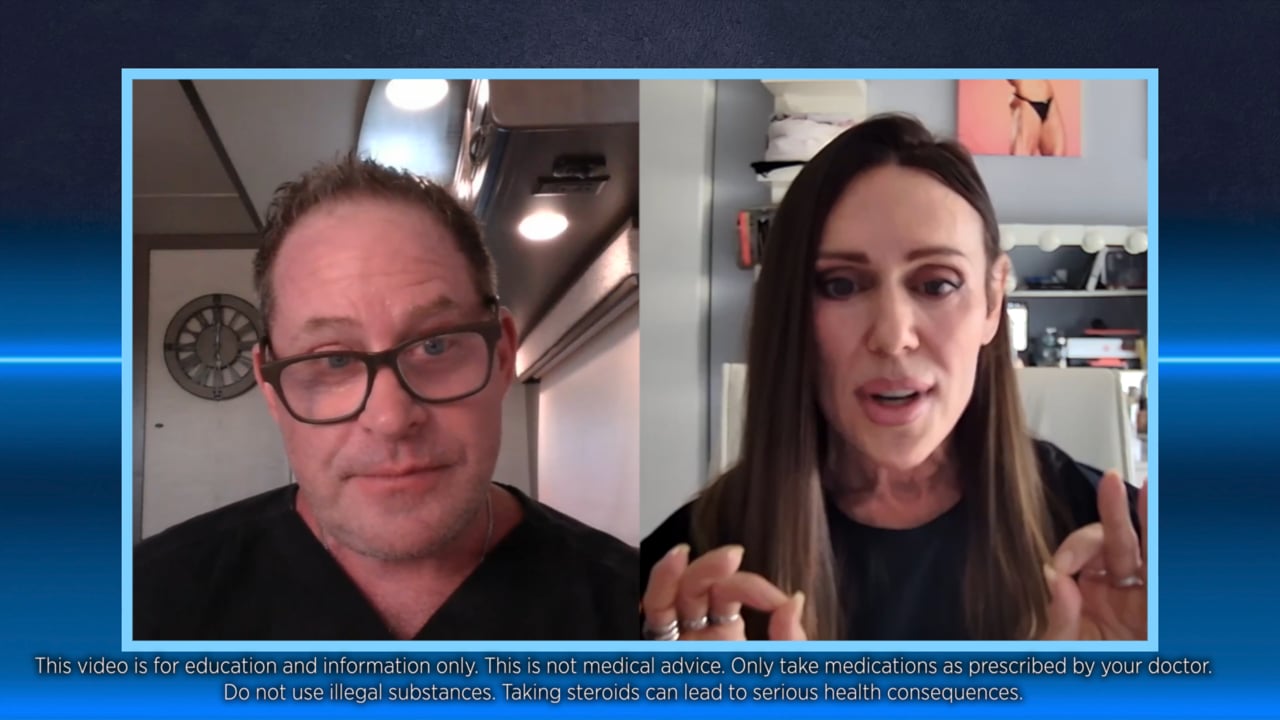
Retatrutide: Weight Loss on Steroids! (Beyond GLP-1) With Colette Nelson

Viewing This Video Is A Member Exclusive Feature

But you don’t need membership to get Dr. O’Connor’s insight on this topic, it’s in the summary, key takeaways, and related drugs and conditions below.

Want to watch the full video? Join the Health Portal Today.

Join Now

Timeline

Timestamp
Topic
00:00
Weight loss drugs are introduced as more than appetite suppressants in bodybuilding culture. The segment frames peptide use as a metabolic tool that changes physiology and decision making.
01:58
Retatrutide is introduced through personal trial language and practical expectations about response. The segment emphasizes that people often worry about how it will affect eating and training.
03:58
Diabetes experience is referenced as a lens for understanding insulin and safety tradeoffs. The segment stresses that medication effects feel different when glucose control is central.
05:56
Ozempic is mentioned with a description of appetite suppression and slower gastric emptying. The segment uses this example to explain why food intake can drop without constant willpower.
07:51
Insulin is discussed as a core signal tied to storage and energy availability. The segment claims that lowering insulin can change body composition dynamics for some users.
09:52
The conversation compares outcomes to bariatric surgery by describing very large percentages of weight loss. The segment frames this comparison as surprising and worthy of careful interpretation.
11:48
Side effects are discussed in concrete terms, with constipation highlighted as a frequent complaint. The segment suggests planning around digestion rather than pretending symptoms will not happen.
13:48
Heart rate changes are discussed as something people notice early in treatment. The segment references data suggesting the increase may level out by about twenty four weeks.
15:47
The discussion emphasizes reading studies and avoiding simplistic social media explanations. The segment frames careful interpretation as part of harm reduction for peptide users.
17:44
Steroid and testosterone users are referenced when discussing goals, hunger control, and adherence. The segment stresses that body composition work still requires consistent training and nutrition structure.
19:41
A practical approach is suggested that includes monitoring, follow up, and adjusting based on tolerability. The segment emphasizes trend tracking rather than reacting to single day symptoms.
21:36
The closing frames these drugs as potentially game changing while warning against treating them casually. The segment reiterates that thoughtful use and monitoring determine whether benefits outweigh risks.

Video Summary

The transcript discusses weight loss medications in the context of people who also use testosterone or steroids. It frames retatrutide as a newer peptide option and describes personal hesitation before trying it. A key theme is that appetite suppression can be powerful, but it changes eating behavior quickly. Ozempic is mentioned as a reference point, with a description of slowed gastric emptying and reduced appetite. The discussion emphasizes that these drugs can alter insulin requirements and metabolic control in real patients. Type 1 diabetes is referenced as lived experience, which shapes how risks and benefits are evaluated. The broader message is that physiology matters more than internet narratives about effortless fat loss.

Mechanism talk centers on signals related to insulin, GLP‑1, and broader metabolic feedback loops. The transcript describes seeing dramatic results that appear to rival what some expect from bariatric surgery. It cautions that major weight loss still requires understanding what the drug is doing inside the body. Side effects are discussed in practical terms, including constipation as a common issue people report. Heart rate changes are mentioned, with the idea that an early rise may level out by around twenty four weeks. The discussion links these observations to reading the data carefully instead of assuming every symptom is random. It reinforces that peptide use should be paired with monitoring, not treated like a casual supplement.

The transcript addresses steroid users specifically by discussing body composition goals and health tradeoffs. It frames the safest mindset as using objective markers, not chasing scale drops at any cost. Insulin is discussed as a central hormone, with the claim that lowering insulin can shift fat storage dynamics. The conversation also returns to appetite, noting that reduced hunger can make adherence easier for some people. It suggests building a plan that accounts for training, protein targets, and digestive tolerance over time. Rather than celebrating a miracle, it stresses that long term success depends on sustained habits and follow up. The closing tone is that these medications can be game changing, but only when used thoughtfully and monitored.

Drug Callouts

Drug
Description
Retatrutide
Retatrutide is an investigational metabolic medication discussed in research for weight loss outcomes. The transcript states the speaker is using retatrutide currently and describes expectations about how it works.
Semaglutide (Ozempic)
Semaglutide is a GLP‑1 receptor agonist marketed as Ozempic that reduces appetite and slows gastric emptying. The transcript mentions Ozempic while describing appetite suppression and digestion related effects.
Insulin
Insulin is a hormone medication used to control blood glucose by increasing cellular glucose uptake. The transcript discusses insulin as a key signal and claims that insulin lowering changes storage dynamics.
Testosterone
Testosterone is an androgen hormone used clinically for male deficiency states and replacement therapy. The transcript discusses these weight loss drugs in the context of people using testosterone or steroids.

Condition Callouts

Condition
Description
Type 1 diabetes
Type 1 diabetes is autoimmune loss of pancreatic beta cells requiring lifelong insulin therapy. The transcript references living with type 1 diabetes while evaluating peptide based weight loss drugs.

Key Takeaways

  • Retatrutide is discussed as a peptide option that can strongly suppress appetite.
  • Ozempic is referenced to explain slowed gastric emptying and reduced hunger.
  • Insulin signaling is emphasized as a key factor influencing body composition outcomes.
  • Constipation and heart rate changes are discussed as practical side effects to anticipate.
  • Monitoring and careful interpretation are emphasized over casual, supplement style use.