
Legacy App users can now access the Health Portal – just reset your password using email as username.

Can Testosterone Cause Non-Hodgkin’s Lymphoma To Return?
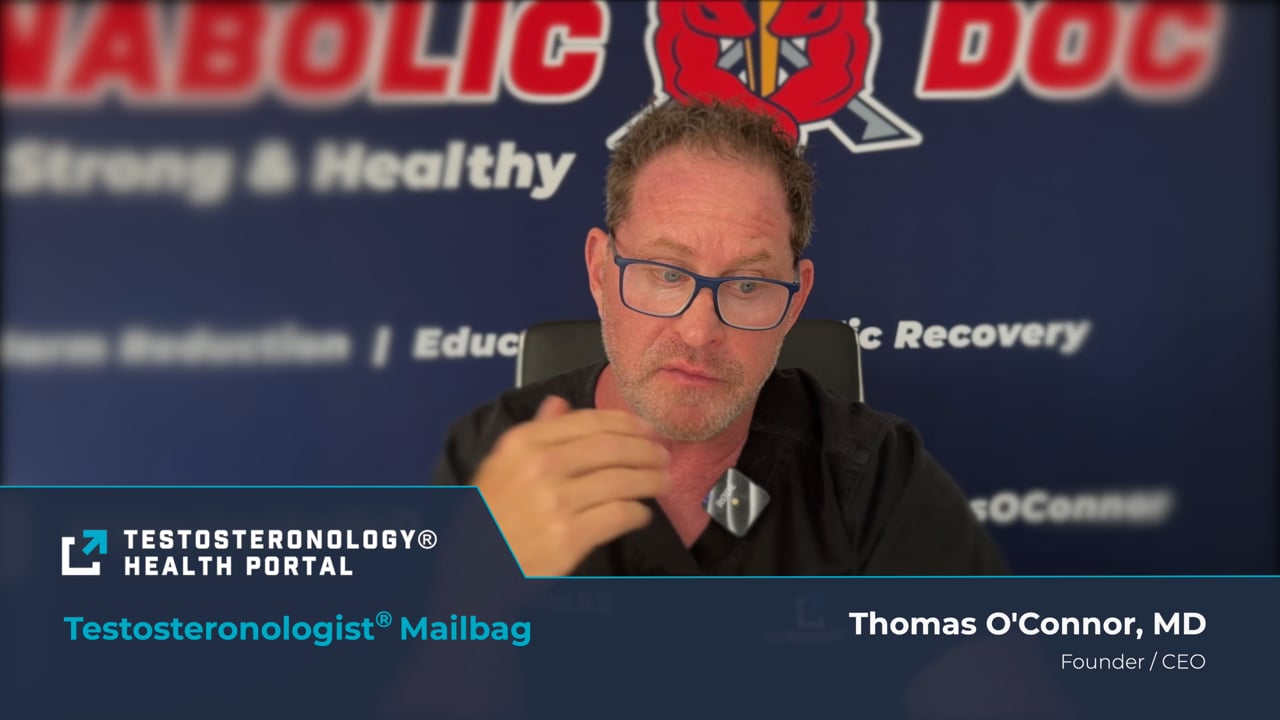
Can Testosterone Cause Non-Hodgkin’s Lymphoma To Return?

Viewing This Video Is A Member Exclusive Feature

But you don’t need membership to get Dr. O’Connor’s insight on this topic, it’s in the summary, key takeaways, and related drugs and conditions below.

Want to watch the full video? Join the Health Portal Today.

Join Now

Timeline

Timestamp
Topic
00:00
A 61-year-old man with non-Hodgkin’s lymphoma, fatigue, and low libido asks whether testosterone could cause his cancer to grow or return.
02:05
Dr. O’Connor explains why he does not believe testosterone causes recurrence of non-Hodgkin’s lymphoma and discusses how cancer treatment, chemotherapy, and anemia may affect energy and blood counts.
04:00
The discussion shifts to persistent fatigue and overall health monitoring, with Dr. O’Connor emphasizing A1C, blood pressure, cardiovascular health, kidney function, CBC, residual lymphoma findings, and continued coordination with the oncology team.

Video Summary

A 61-year-old man with non-Hodgkin’s lymphoma asks whether testosterone could cause his cancer to return. Dr. O’Connor says he does not believe testosterone causes recurrence of non-Hodgkin’s lymphoma and distinguishes blood and lymphoid cancers from the cardiovascular, kidney, and clotting problems he more commonly associates with anabolic steroid exposure.

The discussion also raises growth hormone as a separate concern because Dr. O’Connor is more cautious about its potential relationship with cancer biology. He emphasizes continuing close care with hematology and oncology specialists because lymphoma treatment, chemotherapy, anemia, residual lymph nodes, and other cancer-related factors may contribute to persistent fatigue and low libido.

Rather than assuming testosterone alone will restore energy, Dr. O’Connor recommends reviewing the broader ABCDs™, including A1C, blood pressure, cardiovascular health, kidney function, CBC, and red blood cell status. He stresses that testosterone decisions should remain coordinated with the member’s oncology team and treating physicians.

Drug Callouts

Drug
Description
Testosterone
The member is using testosterone while being treated or followed for non-Hodgkin’s lymphoma and asks whether it could stimulate cancer recurrence. Dr. O’Connor says he does not believe testosterone drives recurrence of this type of blood or lymphoid cancer and emphasizes coordinating TRT with the oncology team.
Sustanon
The member reports using approximately 0.3 mL of Sustanon twice weekly. Dr. O’Connor says the dose could potentially be excessive depending on the individual and would want to review hormone levels and the broader clinical picture before judging the regimen.
Growth Hormone
Growth hormone is discussed separately from testosterone because Dr. O’Connor expresses greater concern about its potential relationship with cancer biology. He advises particular caution in someone with a history of lymphoma and emphasizes specialist oncology guidance.

Condition Callouts

Condition
Description
Non-Hodgkin’s Lymphoma
The member has non-Hodgkin’s lymphoma and asks whether testosterone could contribute to recurrence or tumor growth. Dr. O’Connor says he does not believe TRT directly causes recurrence of this blood and lymphoid cancer but stresses continued hematology and oncology follow-up.
Anemia
Dr. O’Connor raises anemia as one possible explanation for fatigue after chemotherapy and cancer treatment. In a man using testosterone, CBC and red blood cell status should be reviewed rather than assuming low energy is caused solely by testosterone levels.
Fatigue
Persistent low energy is one of the member’s major symptoms despite testosterone use. Dr. O’Connor emphasizes that cancer, chemotherapy, anemia, age, cardiovascular health, kidney function, and other medical factors may all contribute.

Key Takeaways

  • Dr. O’Connor does not believe testosterone directly causes recurrence of non-Hodgkin’s lymphoma based on the clinical experience discussed.
  • Growth hormone is treated as a separate concern and warrants greater caution in someone with a history of lymphoma.
  • Fatigue and low libido after cancer treatment should not automatically be attributed to inadequate testosterone.
  • Chemotherapy and lymphoma itself can affect blood counts, energy, and overall health long after treatment begins.
  • Men on TRT after cancer should continue monitoring A1C, blood pressure, cardiovascular health, kidney function, CBC, and red blood cell status.
  • Testosterone decisions in a man with active or prior lymphoma should remain coordinated with his hematology and oncology specialists.