
Can Testosterone And Steroids Worsen Anxiety And Depression?

Timeline
Video Summary
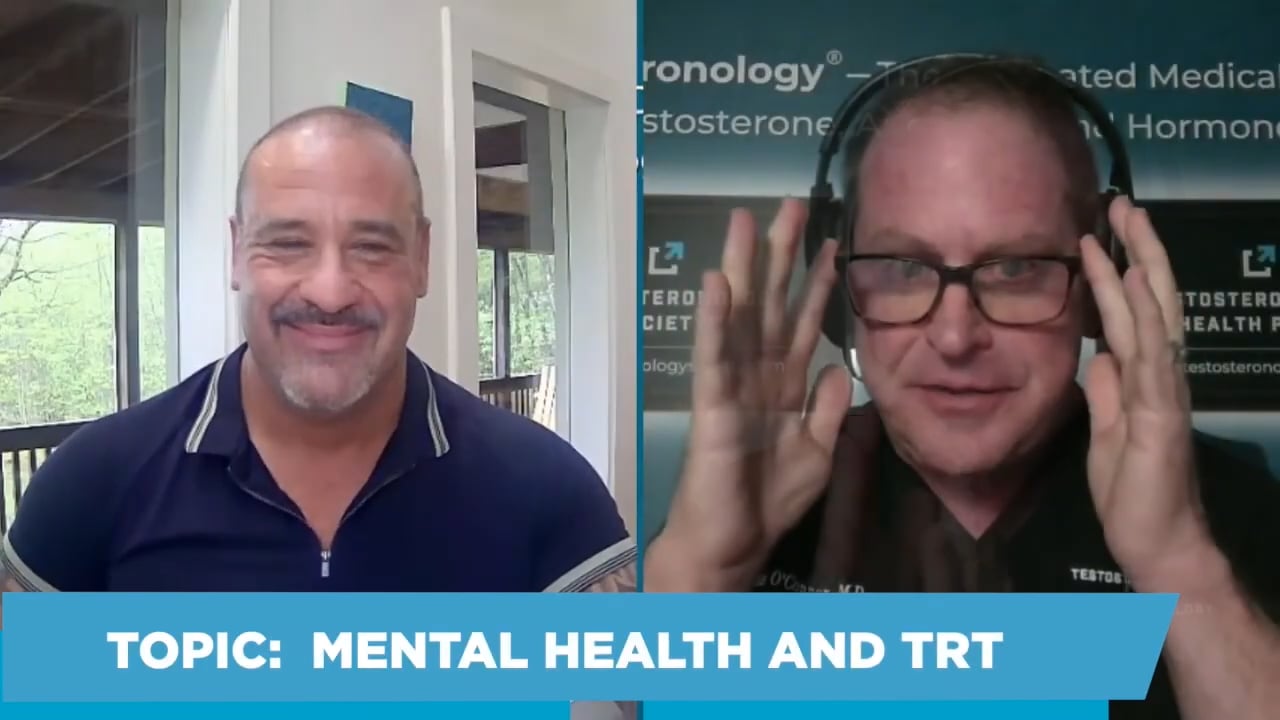
This discussion examines how testosterone and anabolic steroids may influence anxiety, depression, mood, and mental health. Dr. O’Connor and his guest explore the relationship between DHT, GABA, glutamate, estradiol, androgen exposure, withdrawal, and the psychiatric effects that can occur when hormone levels become excessively high or suddenly fall.
The conversation emphasizes that abrupt withdrawal from testosterone or anabolic steroids can produce significant mood deterioration, particularly when natural hormone production remains suppressed. They also discuss body dysmorphia, exercise as a powerful tool for supporting mental health, blood pressure, kidney and cardiovascular risks, alcohol use, metabolic syndrome, and the importance of understanding the root cause of anxiety rather than blaming a single hormone level.
Estradiol receives particular attention because excessive aromatase inhibition can disrupt mood, libido, erections, joints, and cardiovascular protection. The broader message is that testosterone and TRT should be individualized, monitored carefully, and managed as part of complete physical and mental health rather than by chasing isolated testosterone or estrogen numbers.
Drug Callouts
Condition Callouts
Key Takeaways
- Testosterone and anabolic steroids can influence anxiety and mood through complex interactions involving DHT, estradiol, GABA, glutamate, and individual psychiatric vulnerability.
- Abruptly stopping testosterone or anabolic steroids after prolonged use can produce a severe hormonal crash and significant depressive symptoms.
- Exercise can support mental health through neurochemical, physical, and social benefits and is emphasized as an important tool for anxiety and depression.
- Anxiety in men on TRT should be evaluated alongside androgen dose, blood pressure, kidney function, alcohol use, metabolic health, and underlying psychiatric factors.
- Estradiol supports mood, libido, erections, joints, and cardiovascular health and should not automatically be suppressed because a laboratory number appears high.
- TRT should be individualized around symptoms and complete health monitoring rather than maximizing testosterone or aggressively manipulating estrogen.