
Can Psychiatric Nurse Practitioners Prescribe Testosterone For Depression?

Timeline
Video Summary
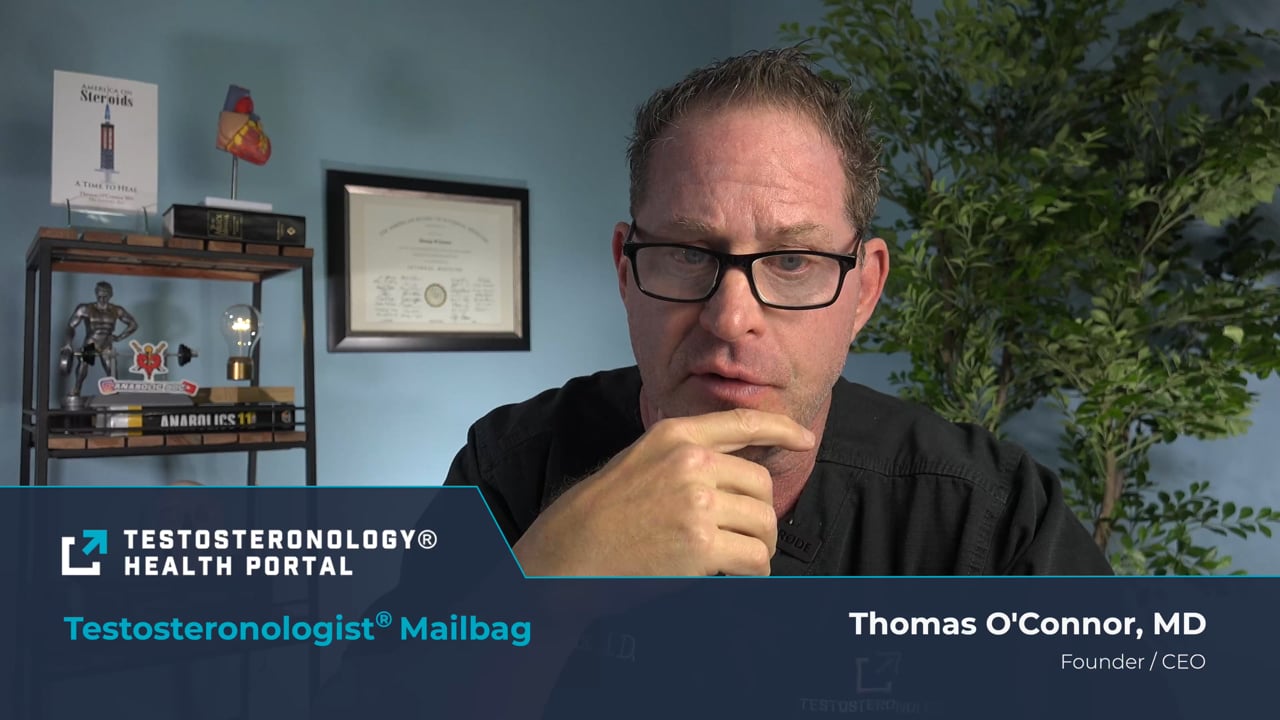
A psychiatric nurse practitioner asks whether testosterone can be prescribed to men with depression and low testosterone. Dr. O’Connor explains that published evidence supports a potential antidepressant benefit from testosterone replacement in selected men with hypogonadism or low-normal testosterone, while emphasizing that treatment decisions must be individualized and supported by symptoms, laboratory findings, and careful clinical evaluation.
The discussion focuses on how a psychiatric provider can approach testosterone prescribing from both a regulatory and clinical standpoint. Dr. O’Connor recommends using published therapeutic evidence, avoiding an anti-aging framework, and presenting testosterone as evidence-based treatment and harm reduction while maintaining a strong provider-patient relationship.
Testosterone is not presented as a simple antidepressant solution because it can suppress endogenous testosterone production and may worsen anxiety or moodiness in susceptible patients. Dr. O’Connor also emphasizes broader monitoring for cardiovascular and blood-related risks, including thrombotic complications, so psychiatric improvement is considered alongside the complete health effects of long-term testosterone therapy.
Drug Callouts
Condition Callouts
Key Takeaways
- Published evidence supports considering testosterone for depressive symptoms in selected men who also have hypogonadism or low testosterone.
- Psychiatric clinicians considering testosterone should base treatment on symptoms, hormone measurements, published evidence, and individualized clinical evaluation.
- Testosterone may improve depression in some men while worsening anxiety or moodiness in others, making psychiatric monitoring essential.
- Testosterone prescribing should be framed as evidence-based therapeutic care and harm reduction rather than anti-aging treatment.
- Clinicians prescribing testosterone for psychiatric patients must also consider endogenous suppression, cardiovascular health, and potential thrombotic complications.